Why Audiences Lean Forward When A Story Puts Something Real On The Line
A film becomes sharper when it makes risk feel physical. Not vague. Not distant. Immediate.
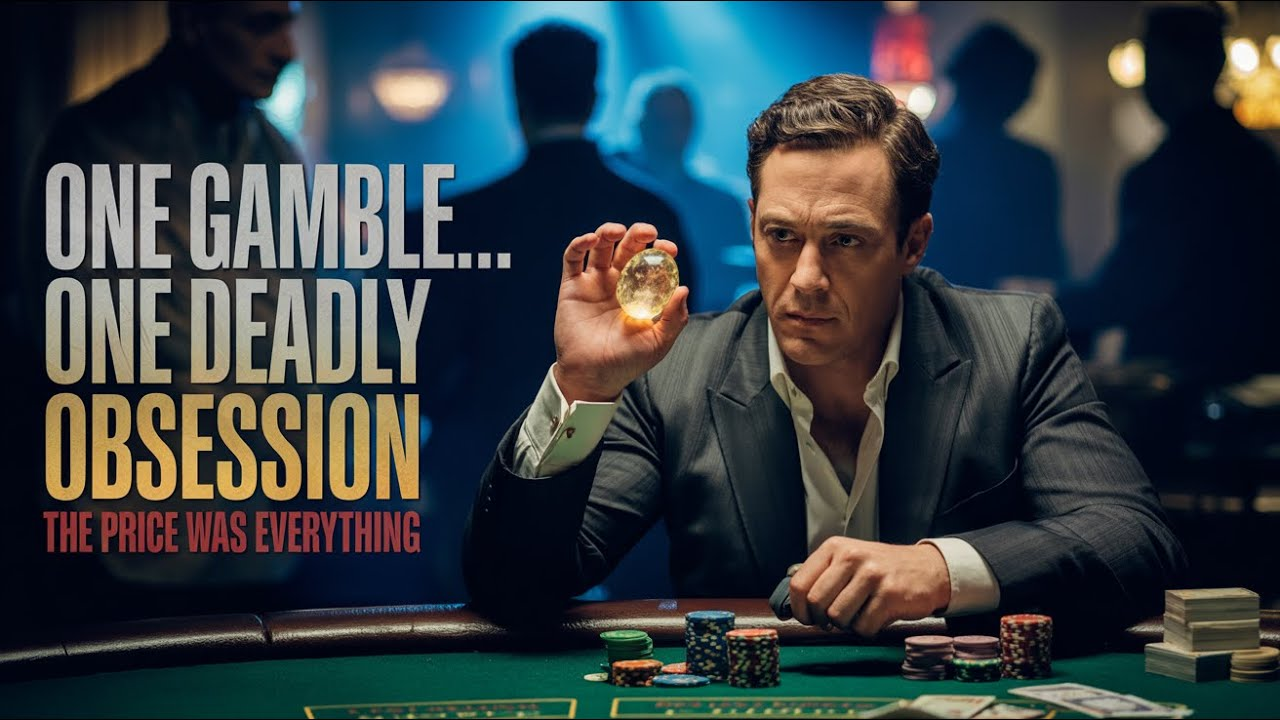
That is why gambling elements work so well in movies. They turn tension into something the audience can almost hold in the hand. A card flipped over. A wheel slowing down. A final chip pushed to the center of the table. These are simple actions, but they carry weight because the result can change everything in seconds.
Cinema depends on this kind of pressure. A story needs movement, but it also needs danger. Not always danger of death. Sometimes danger of humiliation, loss, exposure, or regret. Gambling scenes compress all of that into one clear moment. They strip away noise and force a character to act under pressure.
This makes the viewer lean forward. We do not watch only to see what happens. We watch to see how a person behaves when luck and choice collide. Does the character stay calm? Bluff? Break? Double down? A gambling setup reveals character fast, much like heat reveals cracks in glass.
These scenes also work because they combine control and chaos. A character may study the table, read faces, and calculate odds. But chance still stands in the room. That balance keeps the scene alive. If the outcome were fully random, it would feel empty. If it were fully controlled, it would feel flat. The tension comes from the unstable middle.
Plot twists use the same logic. A twist lands harder when the story has already taught us that outcomes are fragile. One hidden card, one withheld fact, one misread signal, and the whole meaning of a scene changes. Gambling imagery prepares the audience for this. It trains us to expect reversals.
In that sense, gambling in film is not only about casinos or bets. It is about structure. It gives stories a tight way to show risk, expose character, and sharpen suspense. That is why these elements remain powerful even in films that are not directly about gambling at all.
The Mechanics Of Tension: How Uncertainty Drives Engagement
Tension in film is not a mystery. It has a clear shape. It grows when the outcome is close, the stakes are high, and the result is about to arrive.
Gambling scenes follow this pattern with precision. A hand is dealt. A pause hangs in the air. A decision must be made now, not later. The scene tightens because time shrinks and options narrow.
This mirrors how people react to mobile instant win games. The result comes fast. The path is short. Each action leads straight to an outcome. There is no long buildup. The brain stays alert because the next second matters.
Films use the same rhythm. They cut away delays. They place the character at a point where waiting is no longer possible. Act or lose. Speak or stay silent. Bet or walk away. This compression creates focus. The audience does not drift. It locks in.
Good directors control this with small details. Sound drops. Faces tighten. Hands slow down. The camera holds on a simple motion, like a card turning or a chip sliding forward. These details stretch the moment without adding clutter.
Uncertainty does the rest. The viewer can imagine both outcomes. Win or loss. Truth or lie. Safety or collapse. The mind runs both paths at once. That split creates tension.
Importantly, the outcome must feel fair. Not predictable, but earned. If the result ignores the setup, tension breaks. If it follows the rules of the scene, even a surprise feels right.
This is why gambling elements work so well. They give filmmakers a clean system. Clear stakes. Limited moves. Immediate results. Within that frame, tension builds naturally and holds until the final reveal.
Character Under Pressure: Why Risk Reveals Who People Really Are
A calm setting can hide a person’s limits. Pressure removes that cover. It forces quick choices and exposes true priorities.
Gambling scenes create this pressure on demand. Time is short. The cost is clear. A character must act while others watch. There is no safe delay.
Watch how behavior changes. A confident player may start to rush. A quiet character may take control. A cautious mind may overthink and freeze. These shifts tell more than long dialogue ever could.
Bluffing is a key tool here. It is not just about deception. It is about control. A character who bluffs well manages fear, reads others, and holds a steady face under stress. A failed bluff shows cracks. The mask slips. The truth leaks out.
Risk also tests values. What will the character protect? Money, pride, loyalty, or truth? When a choice costs something real, priorities become visible. A person who protects a friend over a win signals one set of values. A person who chooses the win at any cost signals another.
Good films track these choices across scenes. Early risks are small. Later risks grow. Each step builds a pattern. By the final act, the audience can predict how the character will act—and still feel tension, because the cost is higher.
This is why gambling elements work beyond the table. They provide a controlled stress test. Place a character in a tight spot, add a clear cost, and watch what breaks or holds.
In the end, the audience is not only watching the game. They are watching a person face a moment that cannot be undone. That is where character becomes clear.
Plot Twists And Reversals: Why Chance Makes Surprises Feel Earned
A twist works when it feels both unexpected and inevitable. Gambling structures help achieve this balance.
In a betting setup, the audience already accepts that outcomes can flip fast. A strong hand can lose. A weak hand can win. This prepares the viewer for reversal without breaking trust.
Good films plant small signals early. A glance held too long. A rule mentioned in passing. A habit that seems minor. These details act like hidden cards. They sit in the scene, unnoticed, until the moment they matter.
When the reveal comes, the audience replays what they saw. The twist lands because the pieces were always there. Chance did not create the result alone. It exposed what was already in play.
Gambling logic sharpens this effect. It limits the field. Few options. Clear rules. Within that frame, a reversal feels clean. One move changes everything, but it does not feel random. It follows the logic of the game.
Timing is critical. Reveal too early, and tension drops. Reveal too late, and the audience feels tricked. The best twists arrive at the point of maximum pressure, when the viewer holds two possible outcomes in mind.
Films also use double reversals. A win turns into a loss. Then back again. Each shift must build on the last. If it resets the story, it fails. If it deepens the stakes, it works.
This is why gambling elements fit so well. They offer a natural stage for reversals. The audience expects risk. The story delivers a turn that feels sharp, fair, and final.
Why Risk Keeps Stories Alive From Start To Finish
A strong film does not remove uncertainty. It uses it.
Gambling elements give stories a clear way to do this. They place characters in tight spaces. They set visible stakes. They force decisions that cannot be delayed or undone.
This structure keeps attention locked. The viewer understands the risk. The outcome feels close. Each move matters.
More importantly, risk connects plot and character. The story moves forward because someone chooses under pressure. The result changes both the situation and the person. This link gives weight to each scene.
Plot twists, tension, and character shifts all grow from the same source. Uncertainty with consequences. When a film builds around that core, it stays sharp from start to finish.
In the end, it is not luck alone that engages the audience. It is the moment where luck meets choice.